
You Can’t “Move On” a Social Crisis: Real Leadership Means Alleviating Homelessness, Not Hiding It
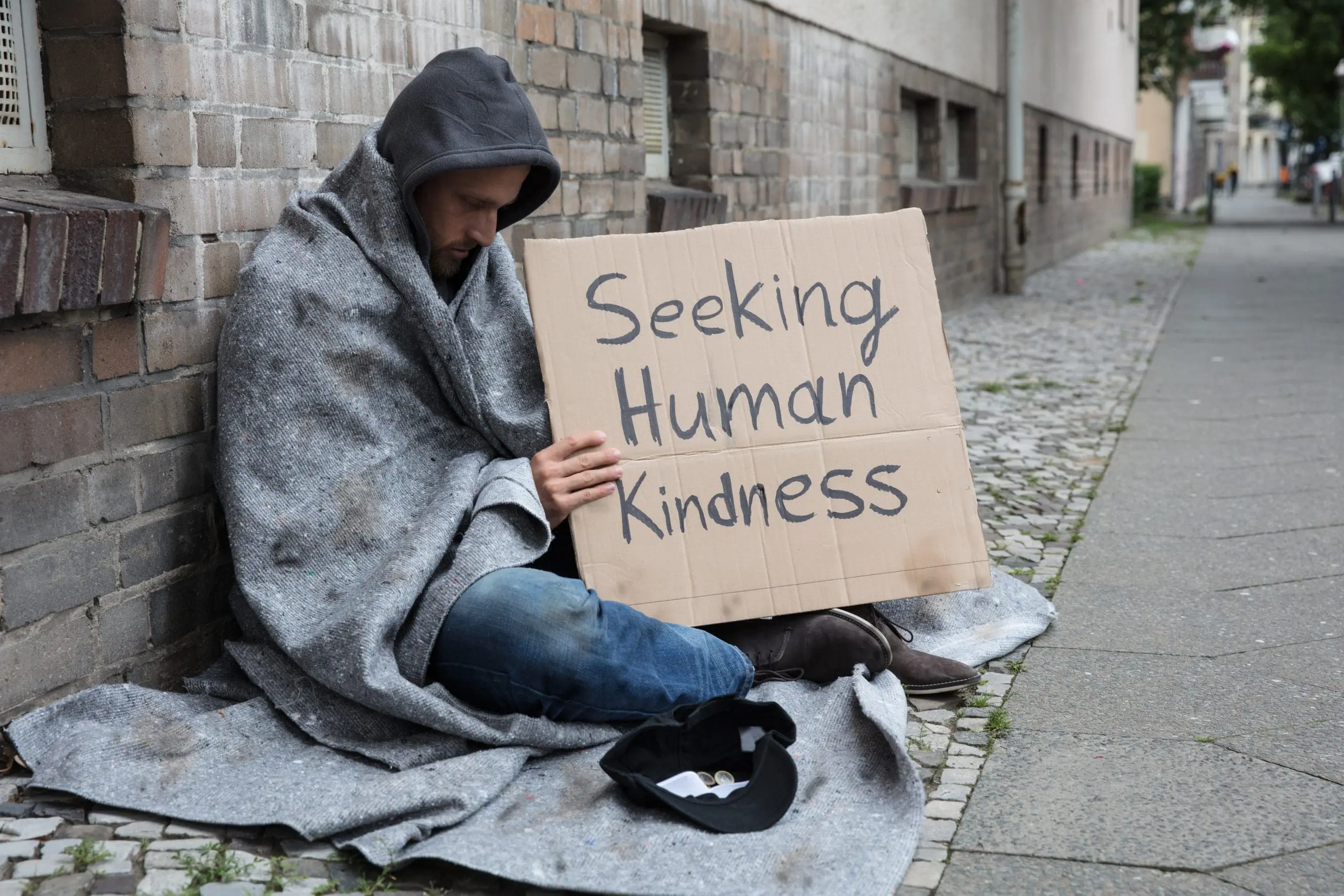
Homelessness in Aotearoa cannot be alleviated by the violent and weak “Move On” laws or by leadership rooted in neglect and privilege; it demands leaders who live in reality, confront the truth of people’s experiences, and empower expert-led, compassionate solutions that make a real difference.
Across Aotearoa, powerful stories are being shared through @lotsoflittlefires—stories that reveal the lived realities of marginalised people, their histories of neglect and trauma, and the long shadow cast by policies designed without their voices at the table. These perspectives matter. They challenge us to confront not only the hardship itself, but the assumptions and decisions that compound it.
The recent introduction of “Move On” laws by the National Government, applying across towns and cities in New Zealand, demands exactly that kind of scrutiny.
Let’s be clear: homelessness is not a theory. It is not a political talking point. It is a lived reality in Aotearoa, as it is in every country in the world. People do not wake up one day and choose the street as a lifestyle preference. Many of our street whānau have endured profound neglect, violence, poverty, mental health challenges, addiction, and systemic failure. Homelessness is an outcome — not an identity, and certainly not a crime.
So we must ask: is simply being homeless now considered antisocial? Or is antisocial behaviour the issue? Because if it is the latter, laws addressing antisocial behaviour already exist — and they apply to everyone equally, regardless of housing status. Creating legislation that disproportionately targets people for the visible condition of homelessness does not solve a social challenge. It displaces it. It hides it. It punishes it.
Strong leadership owns reality. Weak leadership attempts to move it out of sight.
Moving a homeless person from one street corner to another, from one suburb to the next, without providing therapeutic and practical support, is not intervention. It is avoidance. It is, quite literally, passing responsibility along. When we “move people on” instead of walking alongside them toward stability, we are not addressing antisocial behaviour — we are entrenching vulnerability.
In Kirikiriroa Hamilton, we already know there is a better way. Te Whare Korowai Taangata o Kirikiriroa (TWKToK) works daily with our street community, offering practical support, relationship-based engagement, and realistic pathways forward. They are not naive about antisocial behaviour — they address it. But they do so with accountability and compassion, understanding that behaviour is often a symptom of deeper, unresolved trauma.
This is what authentic leadership looks like: acknowledging complexity, resourcing expertise, and empowering those who do the work every single day.
In any other field — engineering, medicine, business — it would be unthinkable to sideline sector professionals when designing solutions. We trust doctors to shape healthcare policy. We trust engineers to design infrastructure. Yet when it comes to the social sector, those with lived and professional experience are too often overlooked in favour of political optics.
Why?
Those most connected to homelessness — outreach workers, social service providers, kaupapa Māori organisations, and people with lived experience — are the experts. They understand what alleviates homelessness because they see what works and what fails in real time. They know that stable housing, mental health support, addiction services, and long-term relational care reduce harm. Criminalisation does not.
Through Lots of Little Fires, we have shared the voices of The Serve Trust, Manaaki Rangatahi, TWKToK and Twenty20 Sustainbale Housing Trust over the past three years. These are some of the key people and organisations leading the work with our homeless community, dealing with all its complexity and no matter how hard it gets, refuse to turn a blind eye or 'move on' our people who are suffering the most. That is real leadership embedded in acceptance of our collective responsibility, living in reality and rolling up their sleeves to do the hard and often thankless work of alleviating and ending homlessness through a strengths based approach.
If we truly want safer communities, we must address root causes, not visibility.
A society is not defined by how effectively it hides its most vulnerable members. It is defined by how courageously it supports them. Pretending homelessness can be legislated out of sight is a privileged and deeply inadequate response to a structural issue. It is governance by discomfort rather than by responsibility.
We do not stand in support of policies that punish people already at the bottom of the cliff. We stand in support of solutions that lift them up.
We will continue to amplify the work of organisations like Te Whare Korowai o Kirikiriroa and others across Aotearoa who face our biggest challenges head-on. We will continue to advocate for strength-based, evidence-informed, community-led solutions. And we will continue to raise our voices in opposition to policies that displace, criminalise, and harm.
Leadership is not about appearing tough. It is about being brave enough to empower the experts, resource what works, and confront reality with integrity.
If the goal is truly safer, healthier communities, then the path is clear: invest in people, not punishment.
Please click the links to watch our latest video showing what real support for our homeless community looks like and an in depth insight into the challenging aspects that work brings but what hope there is when we lead with compassion and care.
https://www.lotsoflittlefires.co.nz/stories/ending-and-alleviating-homelessness-in-kirikiriroa
