
Lots of Little Fires: Why We Tell These Stories, and What It Takes to Keep Them Burning
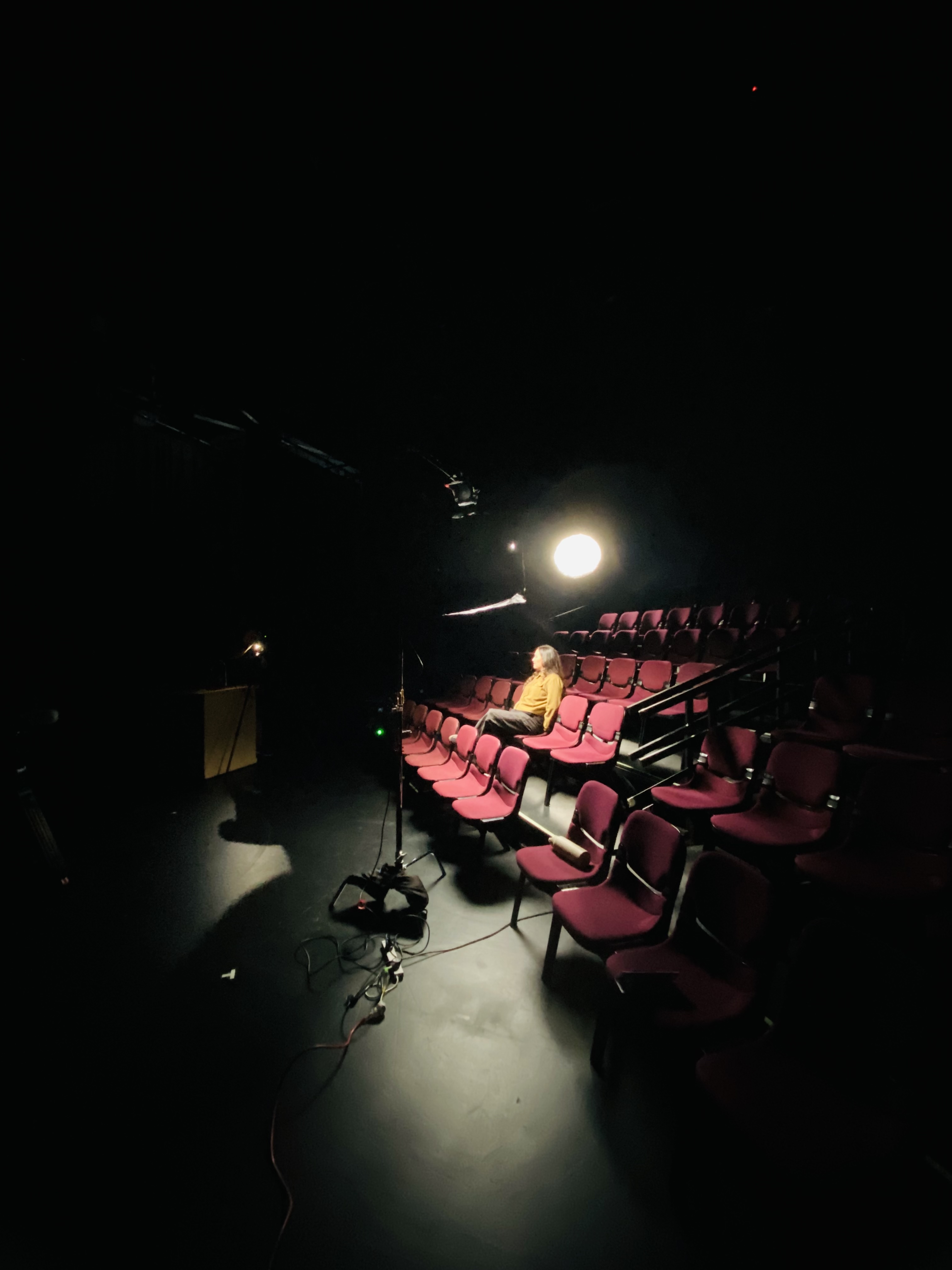
A reflection from Lots of Little Fires on filming our upcoming story with Cian Parker and The Meteor Theatre, alongside a deeper look at how and why Lots of Little Fires exists — using lived-experience storytelling, relationships, and care-led filmmaking to build connection, visibility, and real-world support for grassroots change.
Lastest little fires story update
This week, Lots of Little Fires was in Hamilton filming with Cian Parker and The Meteor Theatre team — a space in the middle of something powerful and intentional: a shift toward equity, access, and representation that is already starting to take shape in real and visible ways.
Led by Cian, who stepped into the manager role just over a year ago alongside a skilled, experienced and big-hearted team, The Meteor is actively reshaping who the arts are for. With a focus on rangatahi from communities like the one Cian grew up in, the theatre is creating space where young people can see themselves reflected, feel a sense of belonging, and be supported to tell their own stories — because you can’t be what you can’t see, or what you don’t know even exists.
Cian’s leadership is grounded in lived experience. She grew up in Melville, raised by a solo mum in a community where theatre and the arts weren’t really visible or accessible. A single moment of access changed everything — opening a door she didn’t even know existed and setting her on a path into a career in the arts. That experience now shapes how she leads: ensuring rangatahi from similar backgrounds are intentionally given access, support, and opportunity rather than relying on chance.
With the new BNZ Theatre now operating just down the road and bringing large-scale international work into the city, the importance of spaces like The Meteor as a grassroots entry point for local artists and young people becomes even more critical. It is often the first place where young people step into a theatre, explore creativity, and begin to see pathways that weren’t visible before.
Reflecting on why Lots of Little Fires exists at all
After filming today with Cian and the Meteor team — moving through moments that were heartfelt, challenging, joyful, strategic, adaptive, and at times genuinely magical — it created space to reflect more deeply on why Lots of Little Fires exists, how this mahi is done, and why it has taken this shape.
Because like the people whose stories we share, we too come from lived experience.
Years in social and community work — youth work, education, street busking, and time spent alongside people experiencing homelessness and systemic disadvantage — sit at the foundation of this mahi. That experience shaped the decision to learn strengths-based storytelling for change, with the intention of building something we didn’t have at the time: a way of telling stories for people like us that allows them to be seen, understood, and supported in meaningful ways.
From there, we looked for a cinematographer who could help bring this vision to life — someone we could trust to work in spaces where ego needed to be absent, and where sensitivity, patience, compassion, and adaptability were essential. That’s when I met Murdoch Daly, who works independently as One Man Crew — a full production outfit in himself. From that point, the journey began.
Murdoch allows us to creatively direct, produce, interview, and shape the edit of the stories we need to tell, while bringing deep filmmaking expertise to support the vision. He understands that the most important parts of these stories are often the inside-out nuances, the relational detail, and the unseen layers of lived experience that conventional media approaches can miss. He holds space for us to lead the storytelling, while ensuring the final work reflects the beauty, depth, and humanity of the people and kaupapa at the centre of it.
Three years and twenty stories later, we are still going strong — and have both learned and grown significantly through the process. That relationship has become a core part of how this mahi is able to exist in the way it does.
We don’t work in formats shaped by clickbait or short attention cycles. Real change doesn’t happen in fragments — it requires depth, patience, and sustained attention. This work sits closer to primary research than traditional media, designed to support understanding, inform systems and policy, and build stronger, more connected relationships across communities.
What we are often told, every time we film, is that the process itself is just as impactful as the final story. The days of filming — especially the slow, careful interview process — are experienced as therapeutic in their own right. The time taken to build trust creates space for reflection, meaning-making, and being deeply listened to in ways that are often rare in the pace of everyday life.
We hold that responsibility carefully. The process is not separate from the impact — it is part of it.
This work only exists through relationships, trust, and shared commitment
After filming and editing, once the story is shaped to reflect its core essence and clear intent, the work continues beyond the screen. We draw on long-standing relationships across community and sector spaces to help ensure the people and kaupapa we work with are not only seen, but meaningfully supported — connecting them to opportunity, resources, and relationships that can sustain their mahi.
An example of this is how we work within existing networks like Seed Waikato to help connect people and kaupapa in real time. In this instance, that has meant bringing Cian and The Meteor team into conversation with Dujon Cullingford and Jahveya Wheki — strengthening pathways into rangatahi workshops, youth services, and wider support systems across Hamilton’s youth sector. This is part of a wider approach where storytelling becomes a bridge into real-world connection, collaboration, and care.
Because Cian and her team are not easy to find. They lead from lived experience with the skill, drive, and commitment to hold grassroots spaces that quietly carry so much of what keeps communities functioning. Without them, and without the support that allows them to keep going, the loss would be deeply felt — not just by those who see the work, but by the young people whose pathways, confidence, and sense of possibility depend on it.
If Cian — and the spaces they steward — are not supported with care and resourcing, we risk losing some of the key pillars in our communities. The very places best positioned to create the kinds of long-term change we talk about: equity, access, and real opportunity. And when those spaces are under-resourced, it is usually the same young people who feel it first — those who were never born into environments where access to things like theatre, creativity, or pathways into the arts were even visible, let alone available.
Without that foundation, those pathways narrow, and more young people are pushed further from opportunity.
Hamilton is one of the youngest cities in Aotearoa. Spaces like The Meteor quietly hold a vital role in that — not just as theatres, but as places where belonging, access, and possibility are built over time.
What this work keeps asking us to carry
And this story is just another example of what drives us to do what we do as Lots of Little Fires. We care deeply about the people whose stories and kaupapa we share because we have felt what they go through. We have been let down, under-resourced, and asked to deliver long-term social change on short-term funding contracts. We have had to constantly explain our why to systems and spaces that haven’t always understood it, often because they haven’t faced the same barriers or realities we have.
So we will always find a way to keep burning — ensuring all those little fires, just like this one today, get the fuel they need when times get hard to keep burning bright in the ways and places they are meant to. To keep the hope and opportunity alive for the people and communities they serve.
And now that the filming process of today’s story has been captured, we will begin the editing process — carefully shaping a story and visual that does justice to what is quietly but intentionally burning at The Meteor, with the aim of sharing it in full in about a month’s time. Watch this space.
